breathing
The Power of Be…
Today was incredible. I’ve never been so proud of my teens before, never so proud about how they came together and took on the world. I have a good...
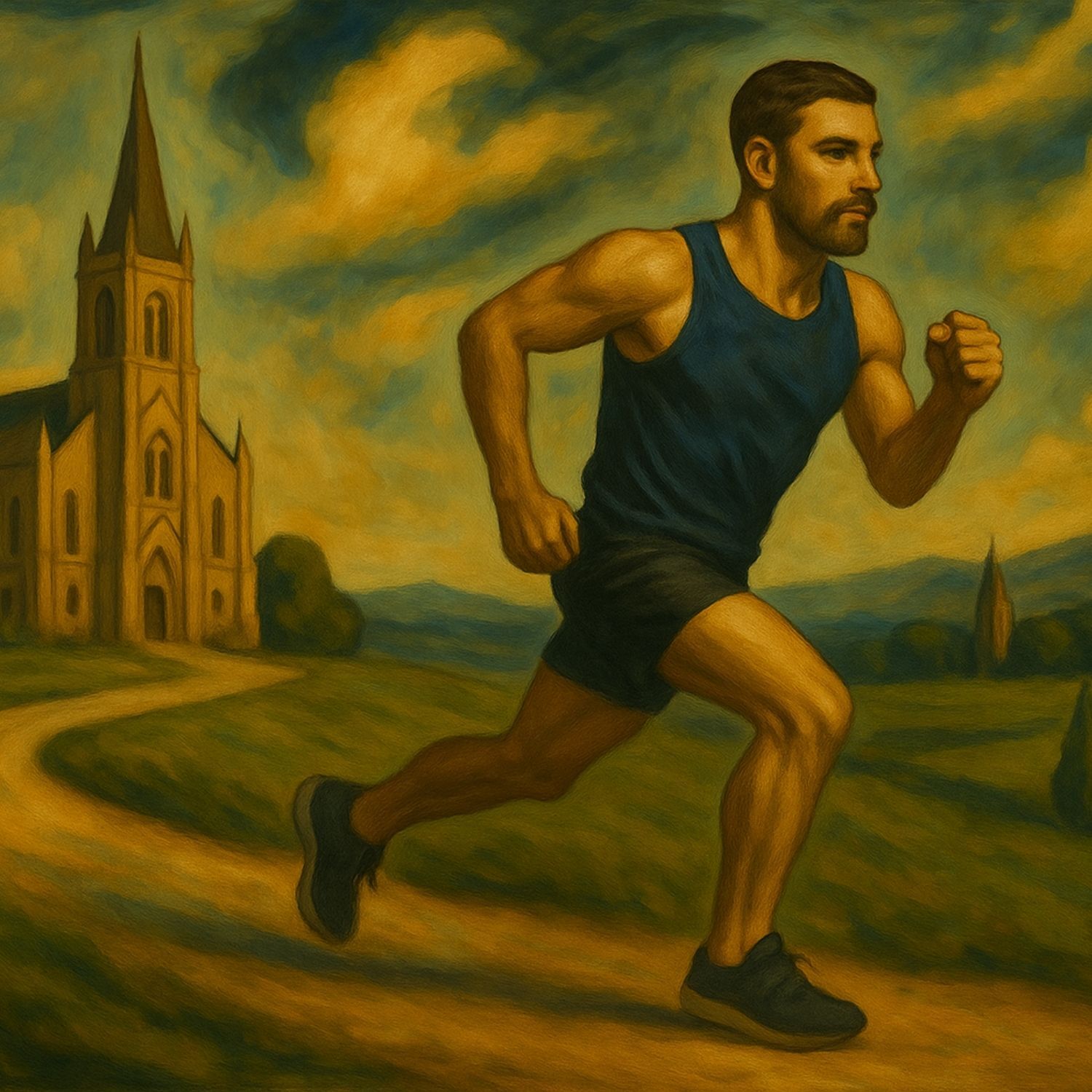
“Do you actually run marathons?”
That’s a question I hear often. The short answer is yes—but it’s been a minute. I still run, just nothing long lately. As I’ve gotten older, I’ve learned I need to focus more on lifting than pure cardio. I miss the days when I ran because I loved to eat.
In my twenties, it was the perfect marriage. After a night of ministry there was always leftover pizza, chips, donuts—you name it. I’d take the stress of the evening and eat it away. One of my favorite rewards after a Thursday or Sunday night was swinging by a convenience store, grabbing a family-size bag of chips, and washing it down with a beer.
I’ve never been thin, but I was active. Keeping up with middle and high school students was never an issue. Over time, though, age and habits caught up with me. I started to learn a hard truth: alongside spiritual, emotional, and intellectual health, our physical health directly impacts our ability to do ministry for the long haul.
I’m not a fitness expert—and trust me, I’m talking to myself as much as anyone else—but I don’t think we talk enough about physical health in ministry leadership. If our bodies are temples of the Holy Spirit, this isn’t just about avoiding obvious vices. It’s also about how we care for ourselves as leaders. Not out of vanity or obsession, but out of stewardship.
The question isn’t, “Am I fit?”
The better question is, “Is my physical health helping or hindering my ability to lead well over time?”
Since stepping away from parish ministry last year, I’ve focused on three areas that have had a noticeable impact on my spiritual, mental, and emotional well-being. These aren’t a program—just examples of small shifts that have made a difference.
There were seasons when I was technically getting seven or eight hours of sleep—but the quality wasn’t always there. When sleep was off, everything felt harder. I was slower to recover after long nights of ministry, more irritable during the day, and less present overall.
As a runner, I learned that the rest you get leading up to a race matters more than the night before. Ministry isn’t all that different. Most of leadership happens the day after the big event, not during it. What you eat, how you wind down, and whether you ever truly unplug all matter.
I’m not here to recommend specific pillows or mattresses. But once I started paying attention to how I prepared for sleep—and how much I was actually getting—things began to change.
At some point, I forgot how to breathe.
I paid attention to breathing when I ran, but never while sitting at my desk, driving between meetings, or even sleeping. Last fall, I listened to an interview with James Nestor, author of Breath: The New Science of a Lost Art, and it caught my attention.
On retreats, I’d often use box breathing to calm teens before prayer. What I didn’t realize was how many breathing practices—some deeply connected to our faith—affect emotional regulation, focus, and even how we respond under pressure.
What I’ve noticed is simple: when my breathing is calm and steady, everything slows down. My heart rate stays manageable, my thoughts are clearer, and I’m less reactive. In ministry, that matters. Especially in moments of conflict, fatigue, or discernment.
When I was 18, I had a ski accident that resulted in a slipped disc pinching a nerve in my spinal cord. Months of physical therapy helped correct it, but the pain has never fully disappeared. It shows up when my weight creeps up, when I choose style over support, or when I spend too many hours hunched over a desk.
As I’ve gotten older, I’ve learned that posture isn’t just about standing up straight. It’s about how we sit, sleep, drive, carry stress, and strengthen our core. Poor posture quietly drains energy and creates pain that follows us into meetings, prayer, and conversations.
Before you drop to the floor for crunches, I’ll say this: talk to a professional. A trainer, physical therapist, or doctor can help guide what’s appropriate. The goal isn’t intensity—it’s sustainability.
I’m talking about sleep, breathing, and posture because physical health is part of human formation for ministry leaders. This isn’t about going vegan, eating kimchi (though I enjoy it), or signing up for yoga. It’s about paying attention.
More importantly, it’s about culture.
How does the way we conduct ministry shape the physical well-being of our people?
Do our schedules allow for real rest, or do they reward late nights and constant availability?
Are PTO and overtime policies designed to help people pace themselves—or simply save money?
Are our workspaces and expectations aligned with healthy rhythms?
Many of us don’t neglect our physical health because we don’t care. We neglect it because exhaustion has quietly become a virtue in church work.
No overhaul is required. Just small, intentional adjustments. Healthy ministries are built by healthy leaders—leaders with the energy to focus, respond, and remain present in a constantly changing landscape.
If you are looking for more on physical health from a Catholic perspective check out my interview with Chase Crouse from Hypuro Fit
Today was incredible. I’ve never been so proud of my teens before, never so proud about how they came together and took on the world. I have a good...
As we sat down for breakfast, I found myself being peppered with all sorts of questions. I was a little nervous because I had never had someone from...
I’m no hunter. I would like to hunt; however, I would probably never catch anything. My problem is aim. I have a hard time hitting the target. I...